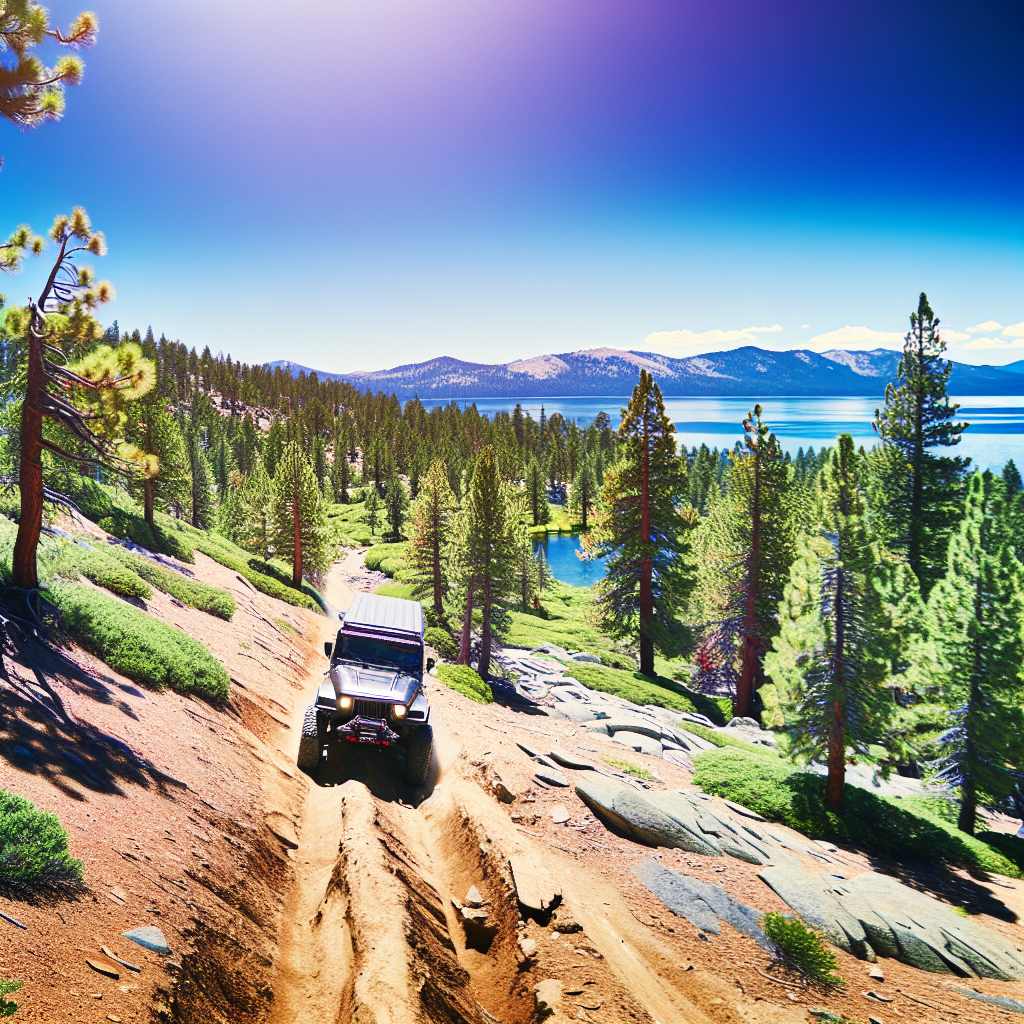
Lake Tahoe off roading trails offer epic high-mountain adventures beyond the usual ski slopes and tourist destinations. Known for its alpine beauty and rugged Sierra Nevada terrain, Lake Tahoe is a top destination for off-road enthusiasts. Whether you’re a family seeking scenic backroads, a solo explorer in search of remote wilderness, or a group of seasoned wheelers chasing the iconic Rubicon Trail, Tahoe provides thrilling opportunities to explore off the beaten path.
Where to Begin: Lake Tahoe’s Best Off-Roading Regions
Set across California and Nevada, the Lake Tahoe region features various off-road terrains—from granite ridges to dusty fire roads shaded by towering pines. While main highways circle the lake, the real adventure lies along dirt tracks and U.S. Forest Service (USFS) access roads. Start your journey in South Lake Tahoe for beginner-friendly options, or venture north to Tahoe City for elevated ridgelines and rocky switchbacks. Most Lake Tahoe off roading trails fall within public forest lands, so it’s essential to stick to designated Off-Highway Vehicle (OHV) routes. Check local ranger station maps and consider apps like Gaia GPS or OnX Offroad to stay on trail.
Top Family-Friendly Off-Road Trails in Lake Tahoe
Not all trails around Lake Tahoe require hardcore rigs. For families or first-time off-roaders, there are gentle paths ideal for sightseeing and light thrills:
- Rubicon Springs Road (Lost Corner to McKinney-Rubicon): This easier segment of the famed Rubicon Trail is great for daytime excursions. West of Tahoma, it winds through forested terrain to Miller Lake with scenic picnic areas. High clearance is helpful, but heavy modifications aren’t necessary.
- Blackwood Canyon OHV Area: South of Tahoe City, this spot features mellow gravel roads, shaded pine groves, and seasonal streams. It’s a perfect introduction to off-roading, especially for those with young passengers.
Plan your ride from June to October—when trail gates are open and wildflowers are in bloom. Wildlife sightings are common, so bring binoculars for your young adventurers.
Adrenaline-Fueled Lake Tahoe Off Roading Trails
For experienced drivers, Lake Tahoe delivers high-impact off-road trails packed with rock crawling, creek crossings, and panoramic ridgelines. Be prepared with the right gear and plenty of trail knowledge:
- Rubicon Trail: Regarded as one of the toughest Lake Tahoe off roading trails, this 22-mile technical challenge stretches from Loon Lake to Tahoma. Massive boulders and steep granite faces require lifted 4x4s with lockers and recovery gear. Campsites like Spider Lake offer scenic overnight options, but plan well in advance.
- Genoa Peak Road (FS 14N32): Climbing nearly 9,000 feet, this moderately challenging trail connects Kingsbury Grade to Spooner Summit. Epic views of the southeastern shoreline await. It’s best run mid-summer when trails are dry and wildlife is active.
- Barker Pass to Ellis Peak: Near Homewood, this route combines narrow forest sections with rocky ascents. End your drive with the 1.5-mile hike to Ellis Peak, a lesser-known lookout with stellar lake views.
Always pack recovery straps, a first aid kit, extra water, and a GPS device. Cell service is often minimal in these areas, so plan for full self-sufficiency.
Hidden Gems: Lesser-Known Lake Tahoe Off-Road Spots
Away from the crowds, certain trails remain off the radar and offer solitude and intimacy with Tahoe’s high country. These hidden routes deserve a spot on your off-roading itinerary:
- Scott’s Lake Road: Near Luther Pass off Hwy 88, this mild 4-mile trail ends at a quiet alpine lake. Don’t expect amenities—bring your supplies and enjoy the peaceful setting.
- Hell Hole Reservoir Trail: Located in Eldorado National Forest, this rarely-visited route features glacial boulders, thick timber, and secluded lake access. Ideal for high-clearance 4WD vehicles and ideal for extended day trips or primitive camping.
- Hobart Reservoir from Ash Canyon: Starting in Carson City, this trail ascends into the Carson Range with expansive views and historical stops like a stone dam from the mining era. Early fall offers perfect conditions and fewer trail users.
Since maintenance on these routes varies, check in with the local USFS office or local off-road clubs like the Tahoe Hi-Lo’s before venturing out.
Essential Gear, Permits, and Trail Tips
Preparation is key for a successful off-roading trip around Lake Tahoe. While most OHV trails don’t require permits, your vehicle must carry a valid California OHV sticker or Nevada registration. Rental vehicles from local operators often come pre-cleared but confirm before you go.
Paper maps, such as the Recreation Map of the Lake Tahoe Basin, are invaluable in areas without cell coverage. Supplement digital navigation with hard copies, and carry emergency supplies like food, extra fuel, and water. For safety, onboard communication tools like satellite beacons can be lifesavers in remote terrain.
Respect trail rules: stay on designated routes, give right-of-way to hikers and cyclists, and never disrupt wildlife habitats. Pack out all trash—and if you find litter, help keep trails clean by removing it.
Stay aware of changing fire conditions, especially during summer. Avoid driving on dry vegetation and monitor alerts from CalFire or the U.S. Forest Service.
Refuel and Recharge: Off-Road Friendly Eateries & Lodging
After a long day on Tahoe’s rugged backroads, you’ll want a warm meal and a restful night’s sleep. Local businesses understand off-roader needs, offering Jeep-friendly parking and trail-to-table hospitality:
- Sunnyside Restaurant & Lodge (Tahoe City): This lakeside classic serves up satisfying meals and lakeside views. Their adjacent lodge is a hit with adventurers needing a soft bed and trail-safe parking.
- Basecamp Hotel (South Lake Tahoe): With fire pits, gear cleanup stations, and a fun outdoor theme, Basecamp caters to family and solo off-roaders alike.
- The Getaway Café (Meyers): A top-rated breakfast stop filled with locals. Fuel up on hearty dishes like the Tahoe Mountain scramble before you hit the trail.
Planning to camp instead? National Forest guidelines require you to pitch your tent at least 100 feet from water sources. Follow fire regulations closely and secure your food—bears are active in this region.
Explore Deeper with Lake Tahoe Off Roading Trails
With an unbeatable mix of scenery, solitude, and backcountry challenge, Lake Tahoe off roading trails offer an unforgettable way to experience the Sierra’s wild soul. From easy scenic drives with the kids to bucket-list trails like the Rubicon, the Tahoe region delivers off-road freedom at every elevation. So prepare your gear, check the maps, and point your rig toward adventure—the best stories start where the pavement ends.