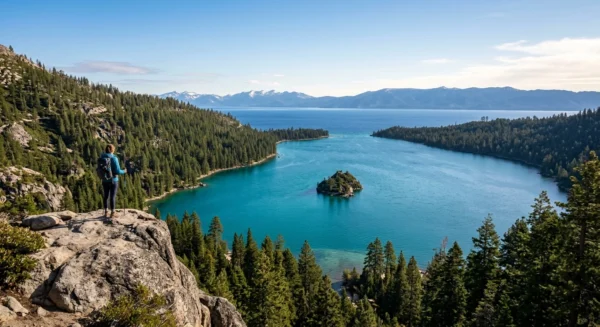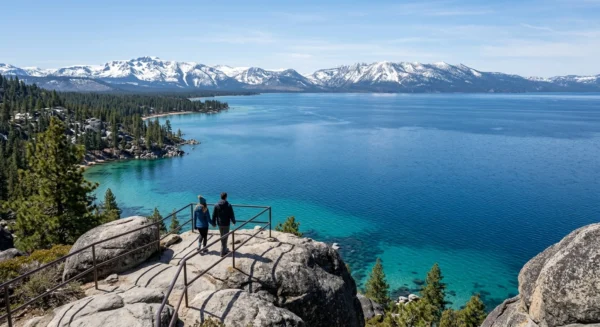
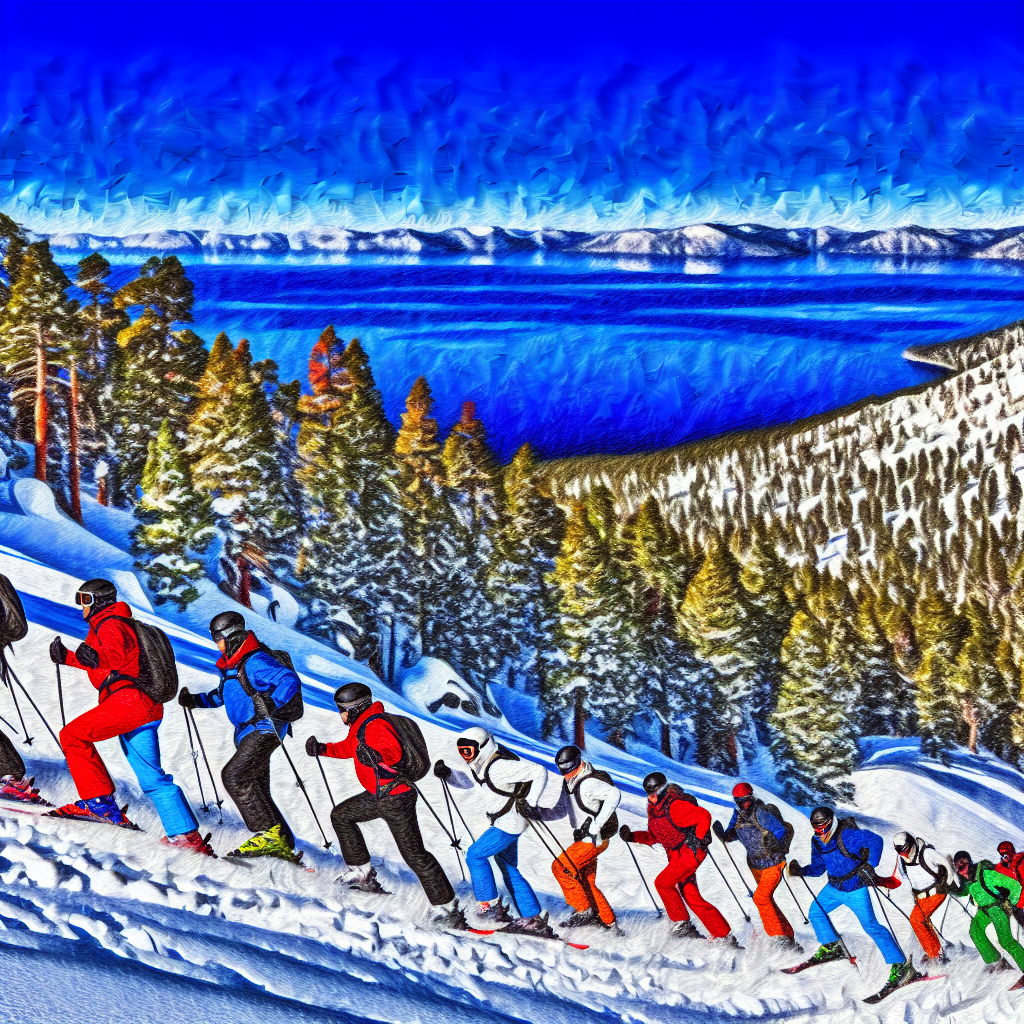
Lake Tahoe backcountry skiing is a thrilling way to experience the Sierra Nevada’s winter wonderland beyond the lift lines and groomed slopes. Straddling the California-Nevada border, Lake Tahoe offers a snowy wilderness of untracked powder, panoramic ridgelines, and quiet alpine bowls. Whether you’re an experienced ski tourer or an adventurous family looking for solitude and snow, the Tahoe backcountry presents an unforgettable winter adventure.
Understanding the Essentials of Lake Tahoe Backcountry Skiing
Diving into Lake Tahoe backcountry skiing requires more than enthusiasm—it demands preparation. Unlike resort skiing, the backcountry brings avalanche hazards, unpredictable weather, and variable snowpack. Always travel with a beacon, probe, and shovel, and ensure you know how to use them effectively.
Training is crucial. An AIARE Level 1 Avalanche Safety Course provides foundational knowledge about terrain assessment, snow science, and rescue protocols—critical for any skier navigating Tahoe’s rugged terrain.
Fitness also matters. Since touring means earning your turns, expect long skin tracks and sustained climbs. Snowshoes and splitboards are great options for non-skiers. Still, the reward is immense: untouched snow, jaw-dropping views, and the sound of your own breath in true alpine silence.
Top Beginner Zones for Lake Tahoe Backcountry Skiing
If you’re new to Lake Tahoe backcountry skiing, several beginner-friendly zones deliver scenic terrain and manageable conditions. These areas offer gentler slopes, shorter approaches, and lower avalanche risk—perfect for families or first-timers easing into the sport.
- Castle Peak: Just off I-80 near Donner Summit, Castle Peak features mellow bowls and tree-lined glades. The 3-mile skin from Boreal Inn offers great views and customizable routes, making it ideal for learning skinning techniques and transitions.
- Waterhouse Peak: South Lake Tahoe’s Waterhouse Peak boasts wide-open meadows and gradual slopes. The easy access and forgiving gradients make it a top pick for families with strong young skiers aged 10 and up.
- Tamarack Peak (Mount Rose area): Thanks to reliable snowfall and a well-traveled skin track, this Mt. Rose zone is a consistent favorite among beginners looking for smooth open runs and minimal exposure.
Before any outing, always consult the Sierra Avalanche Center’s daily forecast. Snow conditions in Tahoe can shift quickly—even beginner areas demand ongoing vigilance.
Intermediate and Advanced Terrain in the Tahoe Backcountry
If you’ve completed some tours and want to graduate to technical descents, Tahoe’s advanced backcountry zones offer unforgettable challenges. With steeper slopes, rugged terrain, and longer approaches, these lines define what Lake Tahoe backcountry skiing is all about.
- Mount Tallac: Towering at 9,735 feet, Mount Tallac’s expansive bowls and chutes offer something for every skill level—especially those seeking a heart-pounding descent with lake views. Cathedral Bowl is popular, while East Face lines test expert legs.
- Jake’s Peak: Near Emerald Bay, Jake’s delivers excellent tree skiing and varied aspects. North-facing shots hold quality snow deep into spring. Arrive early at Inspiration Point for parking and scenic sunrise turns.
- Freel Peak: The lake basin’s highest summit, Freel Peak offers vast, wind-scoured terrain and long descents. Only experienced tourers with solid route-finding skills and avalanche expertise should venture here.
Looking to upskill safely? Hire a certified guide from local services like Alpenglow Expeditions or Tahoe Mountain School to explore these advanced areas with confidence.
Locals’ Secrets: Hidden Gems in Tahoe’s Backcountry
Some of Tahoe’s best terrain doesn’t make the tourist trail. These lesser-known routes, cherished by locals, often hold deep snow and fewer tracks—even days after a storm. Explore them with care and preparation.
- Rubicon Peak: This West Shore gem stays quieter than Mount Tallac. The ascent, though demanding, rewards skiers with tight glades and deep stashes. Parking is limited; many tourers begin near Scenic Drive.
- Angora Ridge: Tucked behind Fallen Leaf Lake, Angora offers intimate tours through thick trees and elevated lake views. The zone’s peaceful vibe makes it a favorite sunrise destination for solitude-seekers.
- Blackwood Canyon: South of Homewood, Blackwood features stellar tree runs and extended wilderness feels. Expect a longer approach, especially early in winter, but the preserved snow is worth the effort.
Before heading to these zones, plan with topographic apps like CalTopo or FatMap. GPS tools can assist with navigation, but high-level route intuitiveness and preparation are essential in low-traffic areas.
Après-Ski Culture and Family-Friendly Stops
After logging vertical in the backcountry, enjoy Lake Tahoe’s vibrant culture and food scene. Whether you’re unwinding with family or fueling up for round two, these après-ski spots offer comfort and local charm.
- Ernie’s Coffee Shop (South Lake): A beloved skier’s hangout known for hearty breakfasts and quick service. Perfect after a morning on Angora Ridge or Tallac.
- West Shore Market & Deli: Located in Homewood, this cozy market serves gourmet sandwiches, local beer, and artisan goods. Ideal for Blackwood Canyon tourers.
- Gatekeeper’s Museum (Tahoe City): Introduce kids to Washoe heritage, pioneer artifacts, and Tahoe’s environmental story at this lakeside interactive museum.
On down days, stroll Truckee’s historic downtown for locally made souvenirs or explore Donner Memorial State Park to connect the dots between Lake Tahoe’s snowy past and its dynamic present.
When to Go and What to Know
Lake Tahoe backcountry skiing season typically spans December through April, with January and February delivering the deepest powder. March offers longer daylight and fewer crowds—perfect for extended tours.
Trailhead logistics matter. Many popular access points require sno-park permits, which are available online or in shops like Alpenglow Sports in Tahoe City. Always respect neighborhoods; never block driveways or park along narrow roadways.
Weather in the Sierra can shift in minutes. Carry multiple layers, navigation tools, headlamps, food, and emergency gear. Inform someone of your route and estimated return time. Cell service is unreliable once you’re deep in the mountains.
Your Next Adventure Starts in Tahoe’s Backcountry
Lake Tahoe backcountry skiing offers more than turns—it offers perspective. From beginner-friendly meadows to iconic summits, the Tahoe backcountry invites you into a snow-covered wonderland where effort leads to awe. Be smart, stay safe, and embrace the freedom of earning your lines.