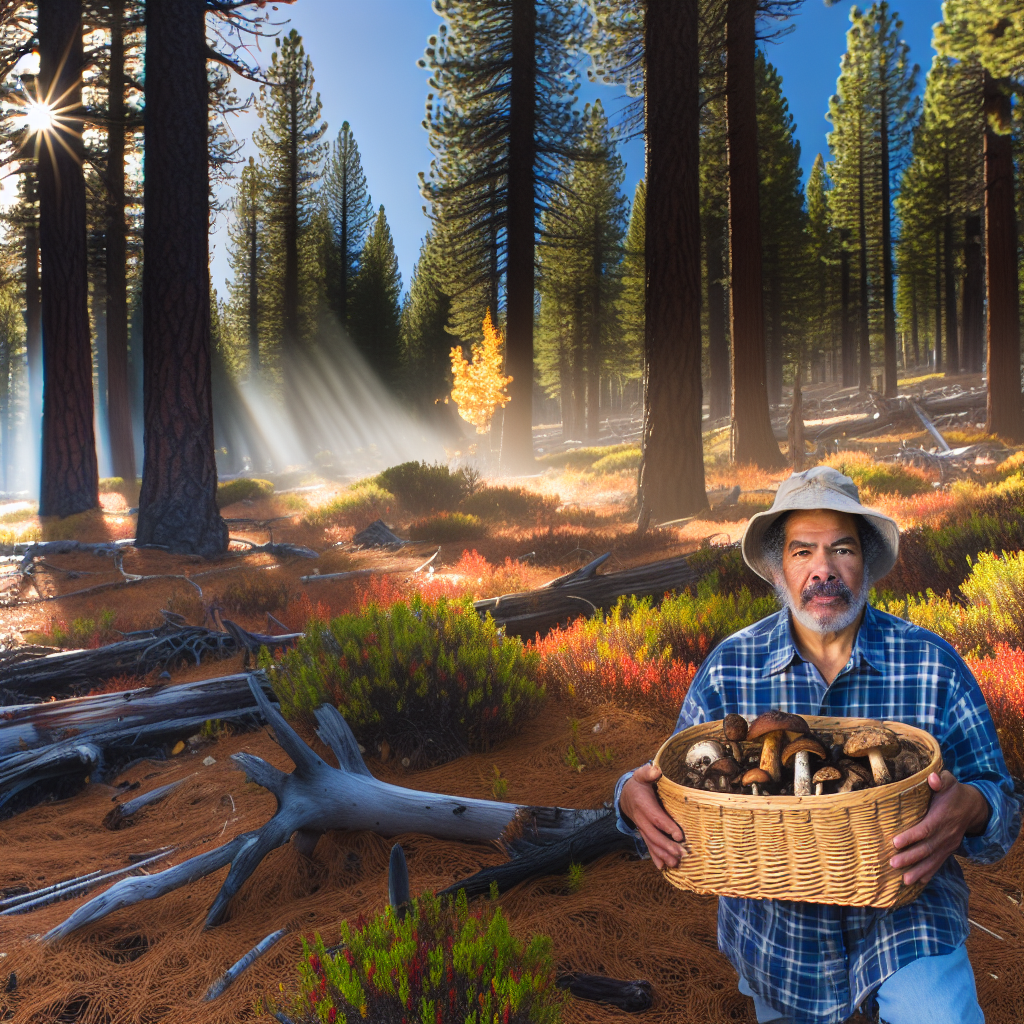
Mushroom foraging Lake Tahoe is one of the most rewarding outdoor experiences the Sierra Nevada has to offer. Every summer and fall, the region’s alpine forests come alive with edible treasures. With a cool climate, diverse ecosystems, and lush pine, fir, and aspen woodlands, Lake Tahoe provides the perfect conditions for wild mushroom growth. Whether you’re a seasoned mycophile or a first-time forager, this activity offers a unique connection to the natural world — with chanterelles, morels, boletes, and even rare matsutakes waiting to be discovered.
Best Seasons for Mushroom Foraging in Lake Tahoe
Mushroom foraging Lake Tahoe is best during the moisture-rich months between late May and early November. Timing depends on elevation, rainfall patterns, and temperature. In spring, morels emerge soon after snowmelt—typically May through June—especially in recently burned forests. Savvy foragers watch U.S. Forest Service burn maps to identify these prime locations.
Summer rains and monsoon moisture beginning in July usher in a wider variety of fungi. Porcini, slippery jacks, and puffballs begin to appear. Come late August through October, cooler nights and intermittent storms foster ideal conditions for matsutakes, chanterelles, and oyster mushrooms. For a broad harvest, target the shoulder seasons: late June and late September.
Top Locations for Mushroom Foraging Near Lake Tahoe
Public lands around Lake Tahoe offer ample opportunities for responsible mushroom hunting. While specific locations are often kept secret by experienced foragers, several areas consistently produce results and welcome respectful exploration:
- Page Meadows (West Shore near Tahoe City): Accessible and family-friendly, Page Meadows features open pine forests ideal for spotting king boletes in late summer. The flat trails also make this location perfect for kids and beginners.
- Mount Rose Wilderness (North Lake Tahoe): Located on the Nevada side, this high-elevation wilderness is a hotspot for morels in early June and chanterelles later in the season. Trailheads along Mount Rose Highway (SR431) offer great day-hike access.
- Luther Pass (South Lake Tahoe): Bordering El Dorado and Alpine counties, this route offers burned forests, lodgepole pine stands, and Pacific Crest Trail access. Grass Lake is a great place to park and head into mushroom territory.
Always confirm land use rules before setting out. Contact the Tahoe National Forest or the Lake Tahoe Basin Management Unit for updated foraging regulations and area restrictions.
What Mushrooms to Look For — and Which to Avoid
The variety of edible mushrooms available during a mushroom foraging Lake Tahoe experience is impressive. Focus on learning to identify a few safe, popular varieties before attempting more exotic finds:
- King Bolete (Boletus edulis): Also known as porcini, these mushrooms have thick, white stalks and large brown caps. They grow under conifers and appear after summer rains.
- Morels (Morchella species): With hollow stems and honeycomb-textured caps, morels are highly prized. Found in burn areas in spring, especially at mid-elevations.
- Chanterelles (Cantharellus species): Look for the golden hue and apricot aroma. Found near Douglas firs and older conifer stands, they thrive in moist fall conditions.
- Matsutake (Tricholoma magnivelare): Known for a spicy scent and firm white flesh, these mushrooms hide under duff near lodgepole pines during early fall.
Equally important is knowing which fungi to avoid. Dangerous lookalikes like Amanita species (e.g., Death Cap and Destroying Angel) can be fatal. Never consume a mushroom unless you’re completely certain of its identity. Use trusted regional guides like David Arora’s All That the Rain Promises and More… and apps like iNaturalist for reference — or go with an experienced local guide for hands-on instruction.
Family-Friendly Foraging Tips and Guided Tours
With proper planning, mushroom foraging Lake Tahoe can become a memorable family outing. Kids enjoy the thrill of treasure hunting in the woods, especially with a few fun guidelines in place:
- Opt for easy-access trails like those around Spooner Lake or Taylor Creek.
- Bring a mesh bag or woven basket to allow spores to spread as you walk.
- Use illustrated, kid-friendly ID books to engage younger foragers.
- Make the walk about discovery — look for animal tracks, wildflowers, or colorful leaves along the way.
For educational support, consider The ForageSF Wild Mushroom Walk. They occasionally offer seasonal guided excursions in the Lake Tahoe area. These walks help beginners and families learn critical safety tips, identification techniques, and sustainable harvesting practices.
Cultural and Culinary Connections
Mushroom foraging Lake Tahoe also links foragers to deeper cultural and culinary traditions. The area’s Indigenous Washoe people have historically gathered from local forests for food and medicine, although mushrooms were not a primary resource. Their knowledge of regional ecology offers critical insight into the area’s biodiversity.
Modern chefs in Lake Tahoe elevate wild mushrooms on seasonal menus. At local favorites like PlumpJack Cafe and Evan’s American Gourmet Café, foraged fungi often appear in risottos and gourmet entrées. You can build your own forest-to-table meal by visiting New Moon Natural Foods in Truckee to stock up on organic groceries and artisan ingredients to complement your mushroom harvest.
Plan your trip around annual culinary events like the Lake Tahoe Autumn Food & Wine Festival at Northstar California Resort—where foraging meets fine dining with farm-to-table flair.
Responsible Foraging and Safety Guidelines
Preserving the environment while foraging is just as important as filling your basket. When mushroom foraging Lake Tahoe, keep these best practices in mind:
- Know the rules: Personal-use foraging (up to one gallon per person per day) is generally allowed in National Forest lands. Permits are required for commercial harvesting.
- Use proper tools: A small knife helps cleanly slice fungi without disturbing root structures, allowing future growth.
- Stay on trails: Limit off-trail travel to minimize environmental impact. Respect protected habitats and avoid damaging underbrush.
- Stay informed: Check local fire warnings and wildlife activity reports. Seasonal closures may apply due to drought or bear sightings.
Finally, practice trail courtesy. Treat traditional gathering places and public lands with care. Generations of local foragers have developed strong, respectful ties to these forests — contribute to this legacy by treading lightly and harvesting mindfully.
Where to Gear Up for Your Foraging Adventure
Before setting off, stock up on mushroom foraging essentials at trusted local outfitters. Alpenglow Sports in Tahoe City and Mountain Hardware and Sports in Truckee both offer trail maps, hiking gear, field guides, and mushroom knives. Investing in a mesh bag, insect repellent, and a bear-safe food container ensures your outing is both safe and productive.
Consider making Truckee or South Lake Tahoe your home base. Both areas offer easy access to trailheads, cozy accommodations, and evening recreation like paddleboarding or lakeside concerts.
Ultimately, mushroom foraging Lake Tahoe invites you to slow down and reconnect with the forest. Whether you’re gathering dinner, deepening your nature knowledge, or simply seeking peace beneath the pines, this seasonal ritual is a nourishing experience for both body and spirit.