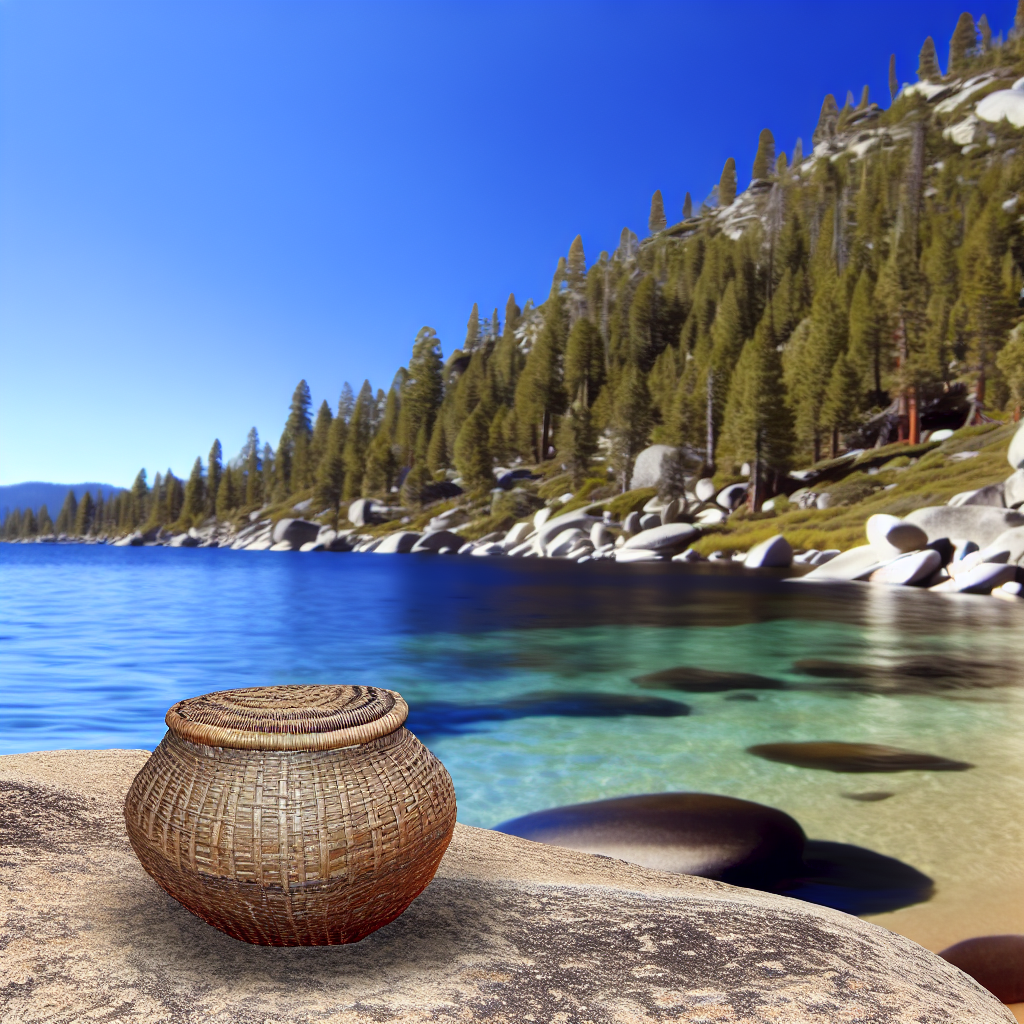
Set against the shimmering blue of alpine waters and the towering Sierra Nevada mountains, Lake Tahoe Native American history reveals a rich cultural tapestry shaped by the region’s original inhabitants. Beyond its panoramic vistas and outdoor adventures, Lake Tahoe offers travelers a unique opportunity to connect with centuries-old Indigenous traditions, spiritual practices, and stories of resilience. Whether you’re hiking with family, capturing nature through a camera lens, or enjoying a solo escape, exploring the Native roots of this iconic destination adds depth and meaning to your journey.
The Washoe People: Tahoe’s First Inhabitants
Long before ski resorts and vacation cabins dotted the landscape, the Lake Tahoe Basin was home to the Washoe Tribe. For more than 9,000 years, the Wašiw (pronounced Wá-she-shu), whose name means “people from here,” lived in harmony with the land and waters surrounding the lake. Their connection to the region is deeply spiritual and practical, rooted in sustainable seasonal practices that honored the environment.
The Washoe were semi-nomadic, following food sources like migrating fish and ripening pine nuts throughout the year. Summers were spent near Tahoe, where they harvested edible plants, fished in the lake, and held spiritual ceremonies. Archaeological sites at Meeks Bay, Taylor Creek, and the Upper Truckee River hold remnants of their presence—obsidian tools, grinding stones, and fish traps that tell stories of everyday life and ceremony.
Families exploring today can begin at the Taylor Creek Visitor Center on the lake’s south shore. This nature center offers forest walking paths, wildlife observation points, and interpretive signs that share insights into Washoe life. Trails here pass former seasonal camps, bringing the region’s Indigenous past vividly to life through immersive storytelling and artifacts.
The Sacred Meaning of the Lake
To the Washoe people, Lake Tahoe—called Daʔaw, meaning “the Lake”—is sacred. It exists not just as a resource, but as a spiritual being woven into their cosmology. Washoe oral traditions describe the lake’s origins and importance in mythic terms, infusing everyday life with spiritual meaning. This reverence continues today and shapes how the tribe cares for and relates to Daʔaw.
One powerful place to experience this connection is Cave Rock. Known to the Washoe as Deʔek Wadapush, this volcanic formation on Tahoe’s southeastern shore has been a place of prayer and ceremony for tribal shamans for generations. Due to its spiritual importance, climbing is prohibited. Instead, a walking trail from nearby parking areas along U.S. Route 50 offers respectful observation points to admire both the rock and sweeping lake views.
For a quiet, educational walk, explore the Lam Watah Historic Trail in South Lake Tahoe. This easy loop features interpretive signs explaining Washoe land use, sustainable fishing techniques, and the significance of willow gathering. The trail ends at Nevada Beach, a spot once frequented by Washoe youth for hand-fishing and basketry material collection.
Washoe Basketry: Fusing Utility, Beauty, and Spirit
Washoe basketry is considered among the finest in North America for its intricate designs and deep symbology. These exquisite pieces, crafted by Washoe women using willow, redbud, and bracken fern, were handed down through generations. Baskets served various purposes—from storing seeds to cooking with heated stones—and were manifestations of both art and survival.
Visitors can see these masterpieces up close at the Gatekeeper’s Museum in Tahoe City, just steps from the Truckee River outlet. The museum’s collection includes baskets by Dat So La Lee, a renowned Washoe artist whose works have graced major institutions nationwide. Admission is affordable (often under $10), and children under 12 typically enjoy free entry—ideal for educational family outings.
Enhance your experience by attending seasonal workshops at the North Tahoe Events Center in Kings Beach. These programs, often hosted by Washoe artisans and organizers, introduce visitors to traditional weaving, language revitalization, and cultural storytelling. Heritage-focused travelers and homeschool families alike will find these events enriching and interactive.
Impact of Western Expansion on Lake Tahoe Native American History
The arrival of settlers during the California Gold Rush in the mid-1800s disrupted traditional Washoe life. This period marks a dark chapter in Lake Tahoe Native American history. Land and water access—once freely enjoyed—became restricted or destroyed. Sacred sites were desecrated, and newly introduced diseases devastated the population. Fishing areas were overexploited, making traditional food sources scarce.
Despite significant challenges, the Washoe people fought to retain their identity and land. In the early 1900s, leaders like Captain Jim lobbied for federal land rights. Their efforts laid the groundwork for the formation of the federally recognized Washoe Tribe of Nevada and California, with reservation communities in Dresslerville, Woodfords, and beyond.
If your travels take you south toward Markleeville, consider visiting the Washoe Cultural Center at Hung A Lel Ti near Woodfords. While primarily serving the community, the center occasionally hosts public cultural events—fair-style celebrations or ceremonial dances that provide deeper understanding of enduring traditions. Be sure to call ahead for current schedules.
Modern-Day Preservation and Cultural Tourism
Today, vibrant efforts to preserve and share Lake Tahoe Native American history are flourishing. Eco-cultural tourism, led by Washoe guides and educators, invites respectful participation and learning. These programs, often in partnership with the Washoe Environmental Protection Department, explore traditional ecological knowledge and land stewardship.
Each summer, the Wa She Shu It’ Deh Native American Festival at the Tallac Historic Site welcomes families and visitors with dance performances, drumming, basketry, and storytelling. Free to attend, the event offers handmade crafts by Indigenous artisans—an excellent chance to support the community through authentic purchases while learning about Native culture firsthand.
Also worth visiting is the UC Davis Tahoe Environmental Research Center in Tahoe City. Though science-focused, the center includes powerful exhibits on the Washoe people’s historical and environmental relationship with the area. Interactive displays make it particularly family-friendly and educational for curious minds of all ages.
Tips for Exploring Washoe Heritage Responsibly
To enrich your experience while respecting tribal customs and values, consider the following travel tips:
- Respect Cultural Spaces: When visiting sacred or historical sites, observe posted guidelines. Avoid loud behavior, don’t tamper with natural materials, and always tread lightly.
- Attend Guided Experiences: Seek out Washoe-led environmental tours, craft workshops, or cultural talks. These offer insight not available in standard guidebooks.
- Travel Off-Season: Fall and spring provide a quieter setting at places like Cave Rock and Lam Watah Trail. Fewer crowds enhance the reflective atmosphere.
- Shop Authentically: Purchase handmade goods from Washoe artisans at local fairs or Indigenous-owned businesses to support the culture sustainably.
Exploring the heritage of the Washoe Tribe through the lens of Lake Tahoe Native American history transforms a scenic vacation into a meaningful journey. For families seeking education, for travelers chasing authentic stories, and for nature lovers in search of deeper connection, recognizing the sacred roots of Daʔaw gives new perspective. As you walk these ancient paths, pause often—and listen. The land still speaks.